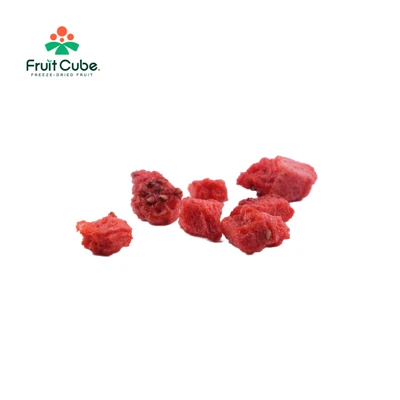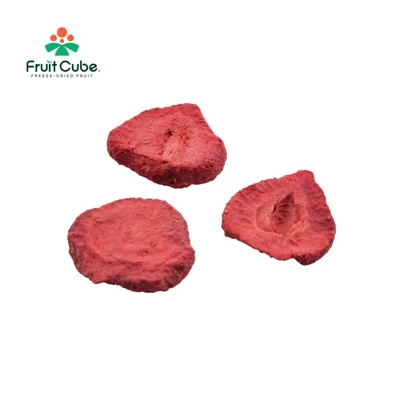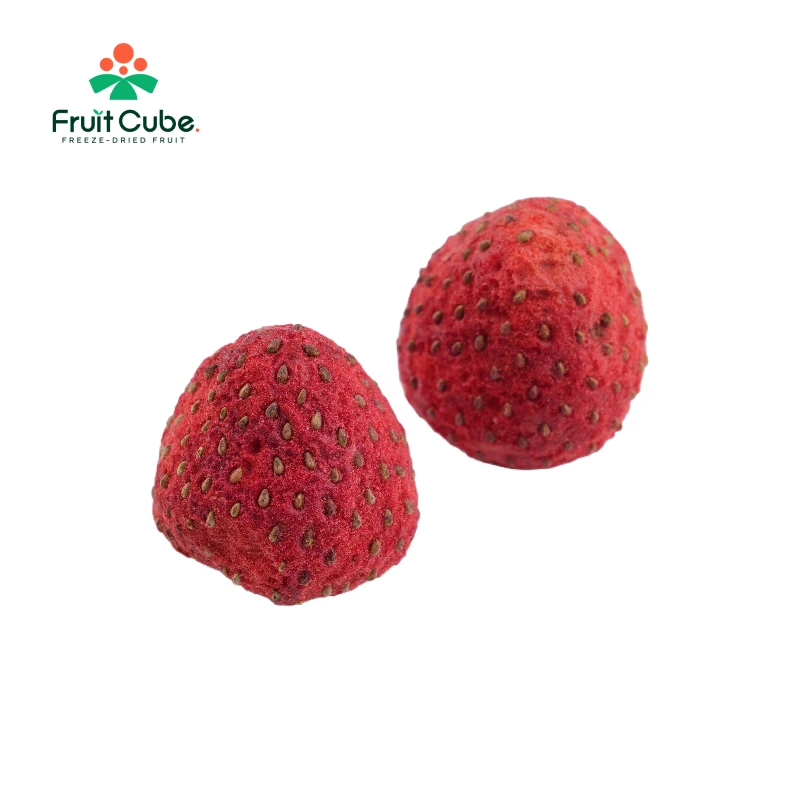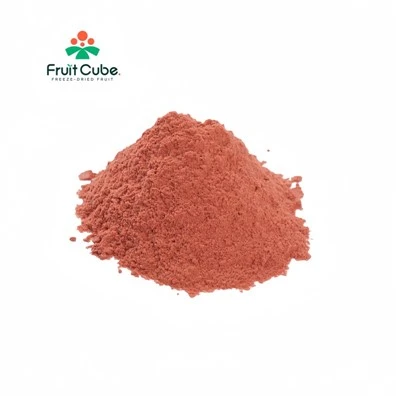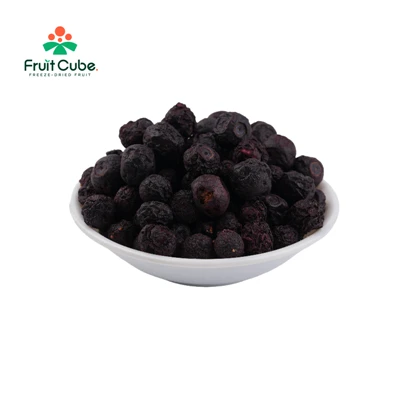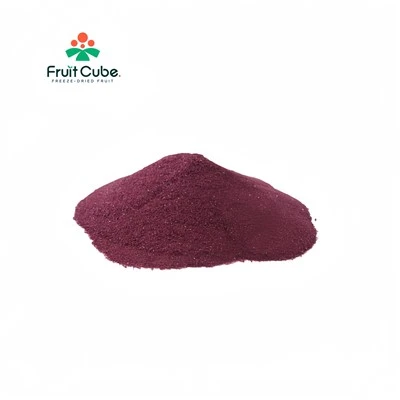
A scientific and systematic process route requires comprehensive consideration of raw material characteristics, equipment conditions, product positioning, and cost-effectiveness.Generally, the "best method" refers to a combination of processes that ensures stable quality, reasonable energy consumption, and suitability for industrial replication while guaranteeing food safety and nutrition.
Core Process: Vacuum Freeze-Drying (FD)
• Vacuum freeze-drying is currently recognized as a core technology in the industry. Its standard process includes: raw material selection → washing → sorting and cutting → blanching and color protection → cooling and draining → pre-freezing → sublimation drying → desorption drying → cooling and sorting → sealing and packaging
• Principle: Vegetables are first frozen at low temperatures, and then the ice crystals are directly sublimated in a vacuum environment. This process avoids high-temperature treatment, maximizing the preservation of color, flavor, and heat-sensitive nutrients, and allowing for long-term preservation without preservatives
Key Pre-treatment Steps: Raw Materials, Cleaning, and Blanching
• Raw Material Selection: Select fresh vegetables that are moderately mature and free from pests and diseases. Strictly control pesticide residues and contaminants; the quality of the raw materials directly determines the quality and safety of the finished product.
• Cleaning and Disinfection: Thoroughly clean using standard drinking water. If necessary, briefly soak in food-grade disinfectant followed by thorough rinsing to remove mud, microorganisms, and pesticide residues.
• Slicing and Cutting: Cut into slices, shreds, cubes, etc., according to product requirements. Cutting increases the surface area, facilitating subsequent drying, but the thickness must be controlled to ensure even drying.
• Blanching for Color Protection: This is a crucial pre-treatment step. A short treatment with hot water or steam (approximately 80–100℃ for leafy vegetables, tens of seconds to minutes) effectively:
• Destroys oxidase activity, preventing discoloration and nutrient loss.
• Kills some surface microorganisms and insect eggs.
• Removes air from the tissue, facilitating moisture migration and drying.
After blanching, immediate cooling and draining are necessary to prevent residual heat from causing quality deterioration.
Scientific Pre-freezing: Determining Drying Quality
Pre-freezing is a crucial step in determining freeze-drying efficiency and quality.
• Determining the eutectic point: Different vegetables have different eutectic points (the temperature at which they freeze completely) (e.g., spinach is approximately -7°C to -8°C). The pre-freezing temperature should be 4–5°C lower than the eutectic point to ensure complete freezing, but not too low to avoid wasting energy.
• Freezing method: Industrially, direct freezing in a quick-freezing chamber or freeze dryer is commonly used. Research shows that a combination of "quick freezing followed by slow freezing" helps form fine ice crystals, reduces structural damage, and achieves better rehydration and appearance.
Precision Drying: Sublimation and Desorption
The drying process typically involves two stages, requiring a precise balance between equipment parameters and material state.
• Sublimation Drying (Stage 1)
• Conditions: Under a vacuum of approximately 70–100 Pa, the temperature is slowly increased to allow free water in the material to sublimate.
• Control: The material temperature is generally controlled near or slightly above 0°C, and the heating rate should not exceed 0.1–0.2°C/min to prevent surface crusting from hindering the escape of internal moisture. This stage is time-consuming, accounting for approximately 2/3 of the total drying time.
• Desorption Drying (Stage 2)
• Purpose: To remove bound water adsorbed inside the material.
• Conditions: The heating plate temperature is appropriately increased (e.g., to 50–55°C), and a vacuum is maintained (approximately 60–80 Pa), raising the material temperature to 30–40°C.
• Handling Difficulties: For leafy vegetables and other vegetables with uneven drying in different parts, a higher vacuum (e.g., approximately 400 Pa) and temperature can be used in the later stages for short-term intensive drying of the root and stem parts, reducing the overall moisture content to below 3%.
Quality Control: Packaging and Storage
Post-drying processing directly affects the final quality and shelf life of the product.
• Cooling and Sorting: After removal from storage, rapid cooling is necessary, and defective products such as those with fragments or color variations should be removed.
• Moisture-proof Packaging: Freeze-dried products are porous and highly hygroscopic, requiring vacuum or nitrogen-filled packaging using high-barrier materials (such as aluminum foil composite bags). The relative humidity of the packaging environment should be controlled below 30%–40%.
• Warehousing and Transportation: Finished products should be stored in dry, cool, and dark warehouses. Transportation must be rainproof and moisture-proof, avoiding heavy pressure.
Process Selection: FD, VF, and Sun Drying
When selecting a specific process, it is necessary to clearly distinguish between different technical routes.
• Vacuum Freeze Drying (FD): Widely recognized as having the best quality, preserving nutrients and flavor to the greatest extent, but with higher equipment investment and energy consumption.
• Vacuum Freeze-Drying (VF): Often referred to as "low-temperature oil bath," this method involves dehydration through low-temperature vacuum frying. The product is crispy but contains oil, and some heat-sensitive nutrients are significantly lost; it is not strictly considered freeze-drying.
• Sun Drying/Hot Air Drying: A traditional method, low-cost, but the nutritional value, color, and rehydration properties are far inferior to freeze-drying.
Conclusion: If the goal is to "maximize nutrient retention and achieve high quality," vacuum freeze-drying (FD) is the preferred method. VF and sun drying can be used as supplementary solutions when costs are limited or in specific scenarios.