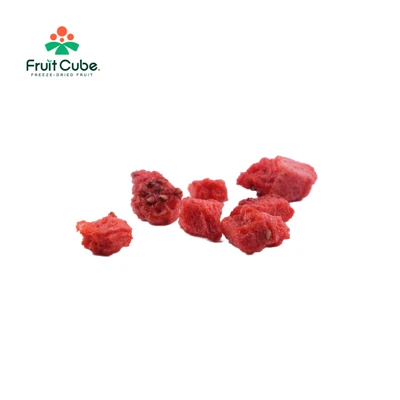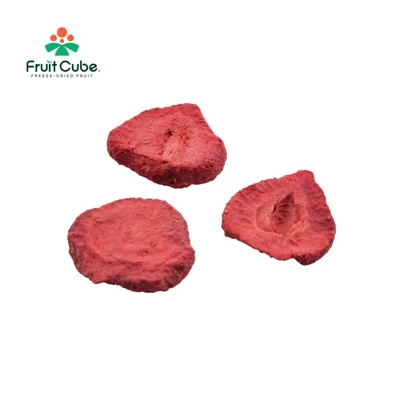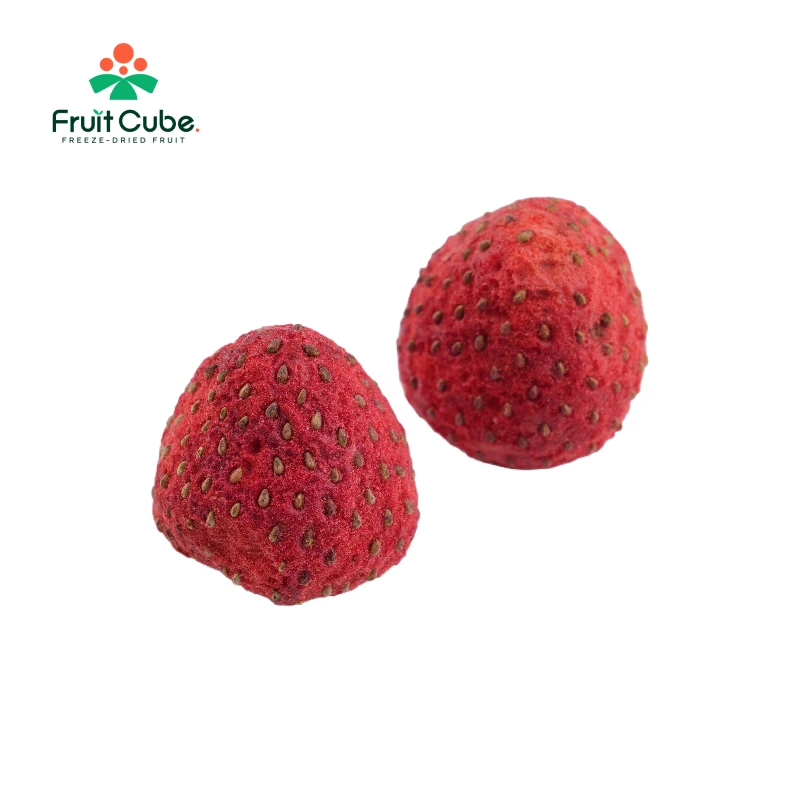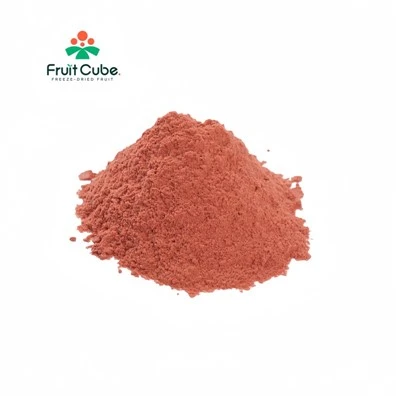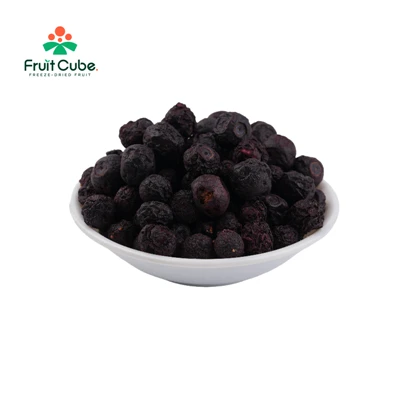
The rise of the freeze-dried vegetable industry stems from multiple drivers, including technological advancements, changing consumer preferences, and policy guidance, and it plays an increasingly important strategic role in modern agriculture and the food industry.
Industry Background: The Confluence of Multiple Factors
• Technological Evolution and Industrial Applications: Freeze-drying (FD) technology was first applied in the aerospace and medical fields to provide safe and stable food for extreme environments. Its principle involves freezing materials at low temperatures and then directly sublimating the ice crystals in a vacuum environment. In the mid-to-late 20th century, this technology was gradually extended to the food industry. Because it can maximize the preservation of nutrients, color, and flavor, and can be stored for long periods without preservatives, it quickly gained prominence in the high-end food sector.
• Consumption Upgrade and Lifestyle Changes: With rising incomes and increased health awareness, the market demand for "healthy, nutritious, and convenient" foods has increased significantly. Meanwhile, the fast-paced urban lifestyle, the trend towards smaller families, and the improvement of e-commerce and cold chain logistics have jointly spurred demand for convenient-to-store and easy-to-cook vegetable products, providing a vast market space for the freeze-dried vegetable industry.
• Agricultural Modernization and Policy Support: As a major vegetable producer, my country has abundant agricultural products, providing a stable raw material base for the freeze-drying industry. In recent years, the country has focused on strategies such as "Healthy China," "Food Safety," and "Rural Revitalization," creating a favorable policy environment for the freeze-dried vegetable industry through fiscal subsidies, tax incentives, technological innovation support, and strict food safety standards, promoting the industry's standardization and large-scale development.
Industry Significance: Multi-dimensional Value
• Ensuring Nutrition and Safety: Compared to traditional hot air drying, freeze-drying technology is carried out in a low-temperature, low-pressure environment, which can significantly reduce the loss of heat-sensitive nutrients (such as vitamin C and some B vitamins), better preserving the color, flavor, and dietary fiber of vegetables. Meanwhile, its extremely low moisture content effectively inhibits microbial growth, improving food safety and shelf life under standardized production conditions.
• Driving Industrial Upgrading and Value Enhancement: Freeze-dried vegetables have high added value, effectively alleviating the dilemma of "bumper harvests but not profitable returns." It transforms perishable vegetables into high-value-added commodities, boosting farmers' income and contributing to rural revitalization through a "primary processing at the production site + deep processing" model. The industry has formed a complete industrial chain from planting and processing to sales, driving the development of related industries such as equipment manufacturing, packaging, and logistics, and optimizing the structure of the agricultural product processing industry.
• Promoting Green Development and Resource Conservation: Freeze-drying technology eliminates the need for prolonged high-temperature heating, and the finished product has a long shelf life and is easy to store and transport, reducing energy consumption and logistics losses to a certain extent. At the same time, this technology provides an effective way to utilize seasonal or periodically surplus agricultural products, helping to reduce waste caused by spoilage, which aligns with the concepts of resource conservation and sustainable development.
• Enhancing the Competitiveness and Emergency Response of the Food Industry: In the food industry, freeze-dried vegetables have become a key ingredient in instant noodles, self-heating rice, and pre-cooked meals, improving the nutrition and quality of the final products. Its lightweight, long shelf life, and minimal nutrient loss make it an ideal choice for outdoor camping, emergency rescue, and military field rations, and it is of strategic significance for ensuring nutritional supply and food safety in special environments.