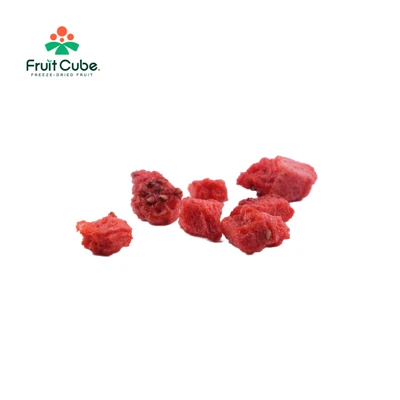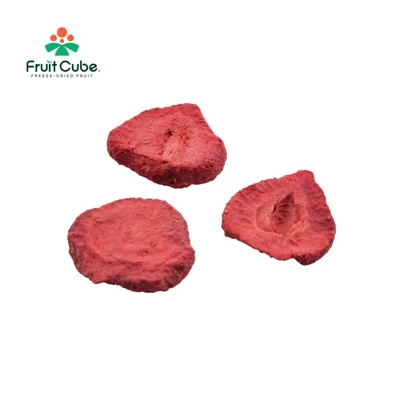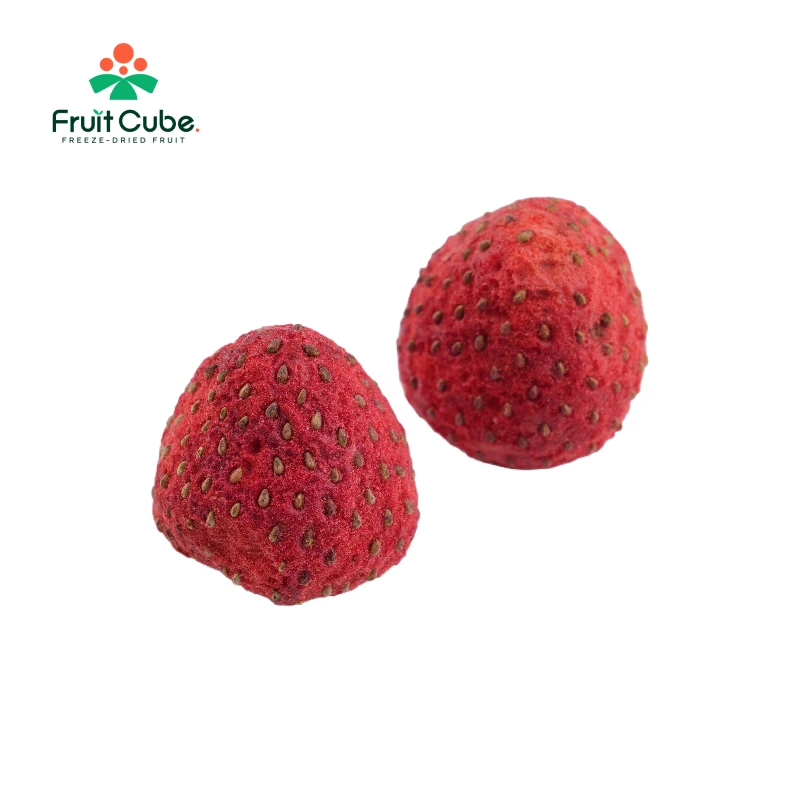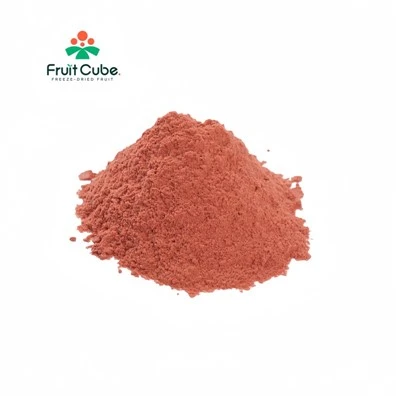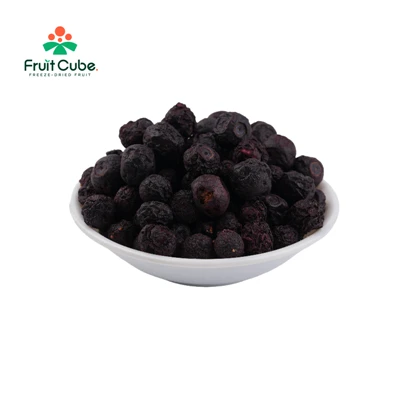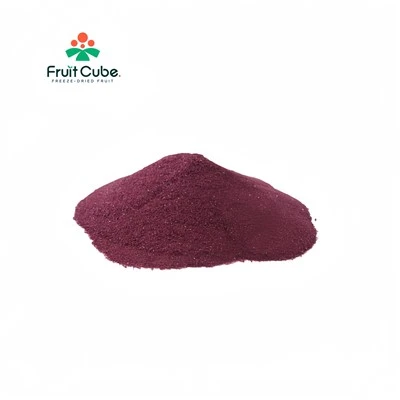
Freeze-dried vegetables differ significantly in appearance from ordinary dried vegetables, making them highly identifiable. Their unique physical characteristics stem from vacuum freeze-drying (FD) technology. This process directly sublimates the moisture within the material at ultra-low temperatures, thus preserving the original shape and color of the raw material to the maximum extent under extremely low moisture content (typically 1%–5%).
🌈 Shape and Color: Frozen Freshness
• Macroscopic Shape: The finished freeze-dried vegetables basically maintain the geometric outline of the raw material, such as flakes, strips, blocks, or whole florets (e.g., broccoli), with only a significant reduction in volume and weight due to dehydration.
• Microscopic Structure: They form a sponge-like porous structure internally, with a brittle texture that is easily crushed into powder.
• Color Representation: Due to the low processing temperature, oxidation of heat-sensitive substances and browning are avoided, allowing the finished product to retain the natural colors of fresh vegetables, such as bright green spinach, orange-yellow pumpkin, and deep purple eggplant. The overall colors are vibrant and highly saturated.
🆚 Visual Comparison with Hot-Air Dried Vegetables
The table below clearly shows the core differences in appearance between freeze-dried vegetables and traditionally hot-air dried vegetables:
• Characteristics
Freeze-Dried Vegetables (FD)
Hot-Air Dried Vegetables
• Shape
Basically retains its original shape, only reduced in size
Obviously shriveled and wrinkled, with blurred geometric outlines
• Texture
Loose and porous, crisp and easily broken
Dry and hard, poor rehydration
• Color
Bright and full, close to fresh
Dull, often with yellowing or browning
🔍 Identifying Genuine Freeze-Dried Vegetables
Beware of "Fake Freeze-Dried" Products on the market use vacuum low-temperature dehydration (VF, essentially low-temperature frying) technology. They have subtle differences in appearance from genuine freeze-dried (FD). Pay attention to these differences when purchasing:
• Genuine Freeze-Dried (FD): Appears more fluffy, with a natural color. It crumbles into fine powder easily when lightly pinched, and quickly absorbs water to rehydrate, leaving virtually no oil residue on the surface.
• **Pseudo-freeze-dried (VF):** Often has an oily sheen and a relatively harder texture. When immersed in water, a layer of oil often floats on the surface.
✨ Packaging Forms: Diverse and practical
• Bulk and Granules: Used as industrial raw materials in soup mixes, compound seasonings, etc., presenting as uniform granules or fragments with a consistent color.
• Snacks: Mostly whole slices or small pieces, seasoned and packaged in small bags, colorful, with distinct granules, offering good shelf display.
• Powder: Some products (such as vegetable powder) are made by further pulverizing freeze-dried vegetables, resulting in a fine powder with a uniform color and good flowability.