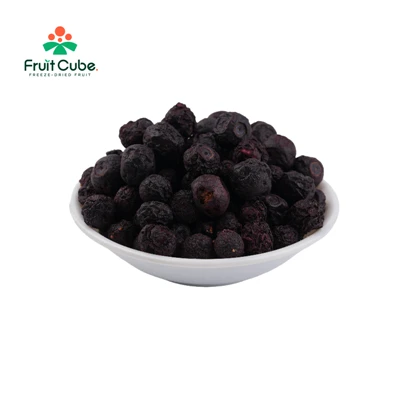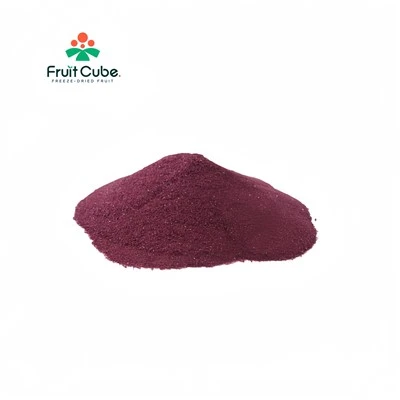
Freeze-dried fruit is increasingly used in the food industry and daily consumption due to its complete nutrient retention, ease of storage and transportation, and stable flavor. However, a series of precautions must be followed during production and distribution to ensure product quality, safety, and market reputation.
In the production stage, raw material selection is the primary control point. Fresh fruit with appropriate ripeness, free from pests, diseases, and mechanical damage should be selected to avoid uneven drying, color deterioration, or microbial contamination caused by raw material defects. Prompt processing after harvesting is necessary to reduce the chance of enzymatic browning and microbial growth. During the pre-treatment stage, washing, peeling, pitting, and cutting should be done to ensure uniform specifications, and color-protecting measures should be implemented according to the characteristics of the fruit, such as soaking in ascorbic acid or citric acid solutions or short-term blanching to inactivate enzymes, to stabilize appearance and flavor.
Parameter control during the freezing and drying process is particularly critical. Pre-freezing should employ rapid cooling methods to form small ice crystals, thereby maintaining the integrity of cell structure and preventing collapse or decreased rehydration after drying. The vacuum sublimation drying stage requires precise control of temperature and vacuum levels to avoid localized overheating that could lead to nutrient loss, dull color, or flavor alteration. Desorption drying must ensure complete removal of bound water, stabilizing the finished product's moisture content at 2%–5%, balancing shelf life and crisp texture. Improper temperature control or insufficient vacuum at any stage can result in inconsistent product quality.
Finished product handling and packaging are equally crucial. After drying, the product should be cooled in a clean environment, promptly removing debris, foreign matter, and products with color variations. Moisture content, microbial content, and sensory indicators should be tested to ensure compliance with food safety standards. Packaging materials must possess high oxygen barrier, moisture-proof, and light-proof properties; vacuum or nitrogen-filled sealing is recommended, supplemented with oxygen absorbers to extend shelf life. During packaging, avoid compression and friction to reduce breakage.
Environmental conditions are critical during storage, transportation, and consumption. The finished product should be stored in a cool, dry, and dark place to prevent moisture absorption, softening, or mold growth. During transportation, packaging damage and moisture absorption must be prevented to maintain the product's crispness and hygiene. For consumers, once opened, freeze-dried fruits should be consumed as soon as possible or sealed for safekeeping to avoid affecting quality due to changes in environmental humidity. When rehydrating, soaking in a suitable amount of warm water for a short time is recommended to prevent loss of nutrients and flavor.
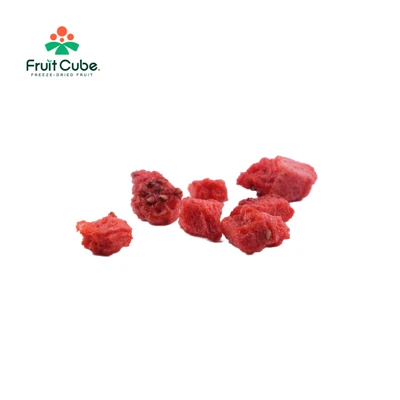
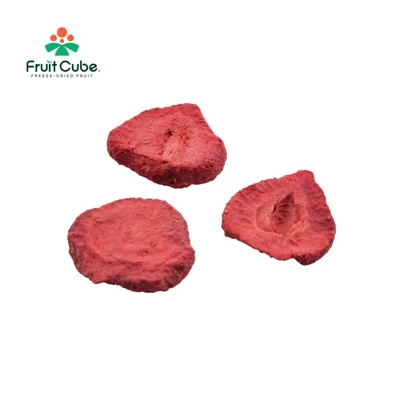
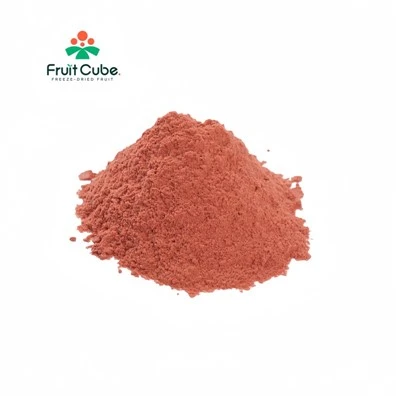
Furthermore, different applications have specific requirements for the shape and particle size of freeze-dried fruits. During production, the cutting and drying processes must be optimized based on the intended use to ensure the finished product performs optimally in rehydration, baking, or ready-to-eat scenarios. Establishing a full-process traceability system from raw materials to finished products, and conducting regular quality audits and process assessments, are institutional guarantees for continuous improvement and risk control.
In summary, the precautions for freeze-dried fruits cover all aspects, including raw materials, processing, packaging, storage, transportation, and consumption. Only by implementing strict standards and meticulous management at each stage can the long-term stability of their nutritional, safety, and sensory advantages be ensured, meeting the stringent requirements of high-end markets and special populations.