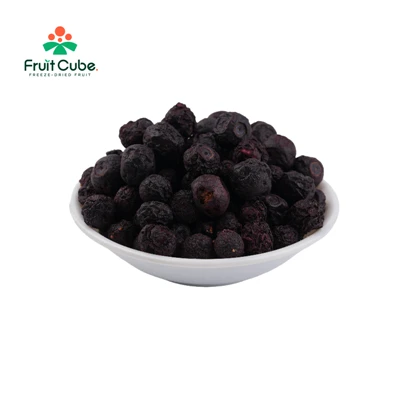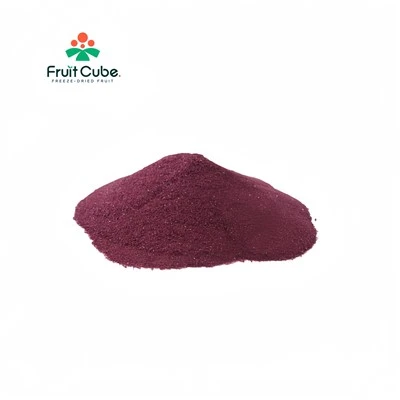
Freeze-dried vegetables are an important category that has rapidly developed in the field of modern food processing. Utilizing vacuum freeze-drying technology, fresh vegetables are dehydrated under low temperature and high vacuum conditions after pretreatment. The core of this process is to directly sublimate the internal water of the vegetables from a solid state to a gaseous state, avoiding the liquid-to-gas transition process. This allows for the maximum preservation of color, flavor, texture, and heat-sensitive nutrients while achieving long-term stable storage at room temperature.
Compared to traditional hot air drying or sun-drying, freeze-dried vegetables avoid the damage to cell structure and significant nutrient loss caused by high temperatures. Vitamin C, chlorophyll, carotenoids, and various minerals and phytochemicals are better preserved, making their nutritional value closer to that of the original raw material. During processing, the porous structure of the vegetables is formed, giving the finished product a unique crisp or loose texture. They also quickly regain their original shape and flavor after rehydration, making them highly suitable for cooking, ready-to-eat meals, and compound foods.
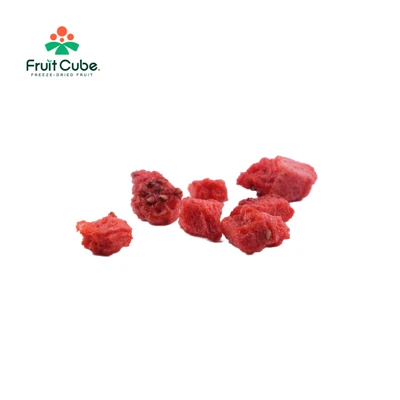
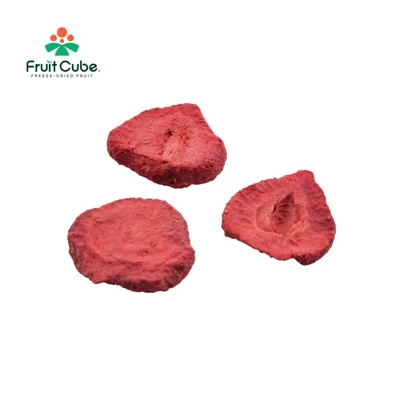
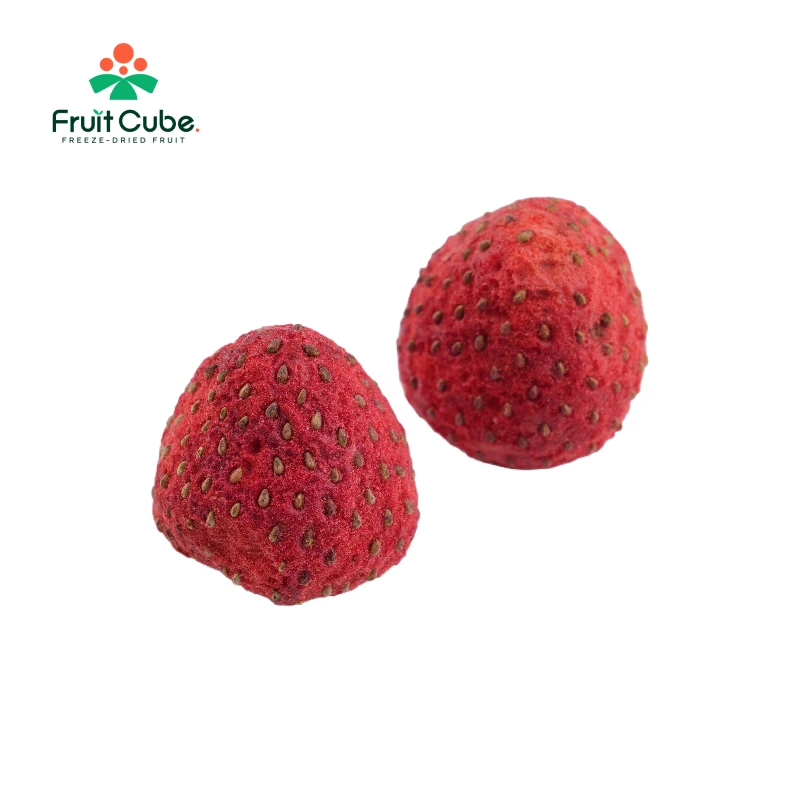
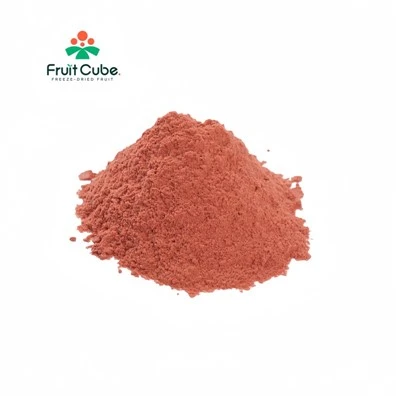
Freeze-dried vegetables typically have a moisture content of less than 5%, limiting microbial growth and achieving a shelf life of over 12 months without preservatives. Their lightweight and low volume significantly reduce storage and transportation costs, eliminating reliance on cold chain logistics and providing a viable pathway for cross-seasonal and cross-regional supply, particularly suited to export trade, emergency reserves, and outdoor food needs. Their form can be flexibly designed as whole plants, slices, granules, or powder, facilitating wide application in convenience foods, instant soup mixes, baking ingredients, infant formula, and functional nutritional products.
In the processing stage, freeze-dried vegetables undergo multiple steps, including raw material selection, washing, cutting, color protection, rapid freezing, vacuum sublimation, and desorption drying. Precise control of parameters at each stage directly determines the color stability, nutrient retention rate, and sensory quality of the finished product. Post-processing and moisture-proof, oxygen-barrier packaging are crucial for ensuring shelf life, requiring sorting, testing, and sealing in a clean environment to prevent moisture absorption and oxidation.
Overall, freeze-dried vegetables have the combined advantages of high nutrient retention, good rehydration properties, and convenient storage and transportation. They have become an important bridge connecting agricultural production and modern food consumption, playing an increasingly prominent role in promoting the efficient use of vegetable resources, enriching food categories, and meeting diversified health needs.