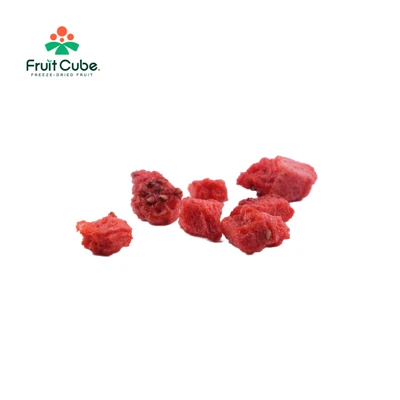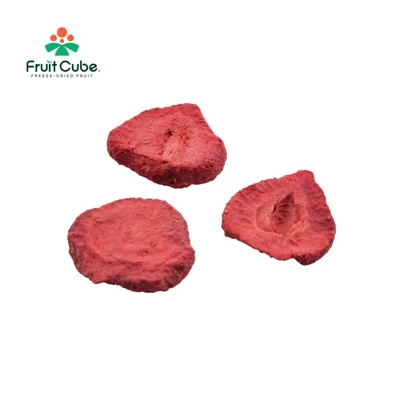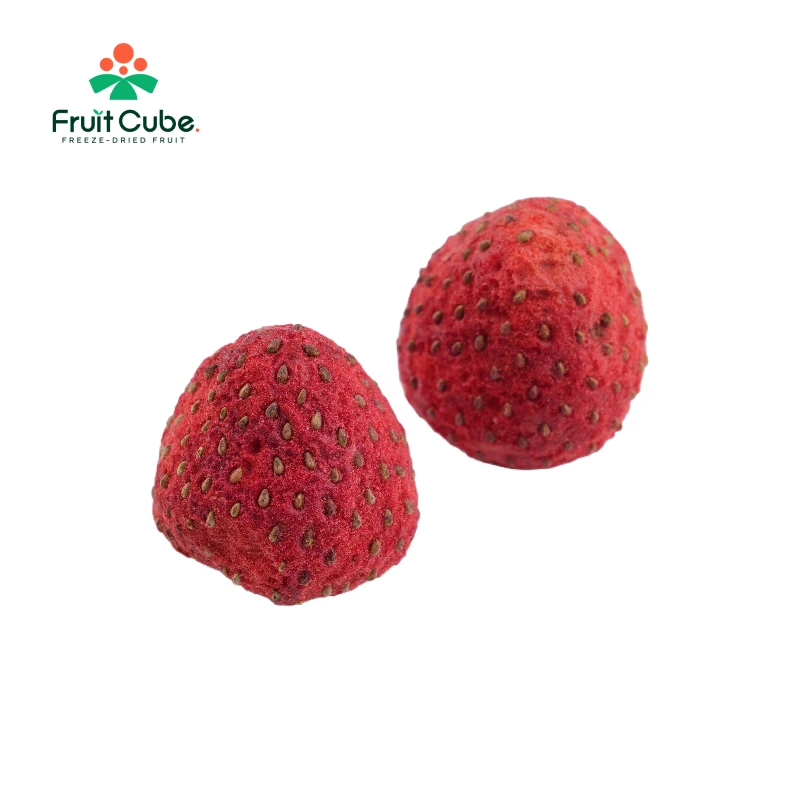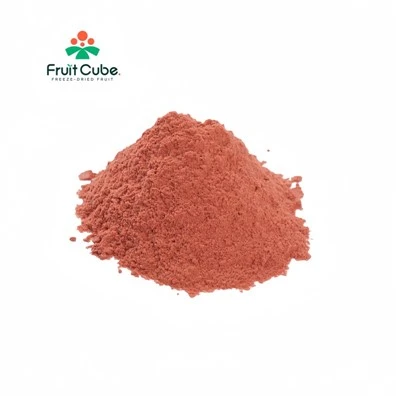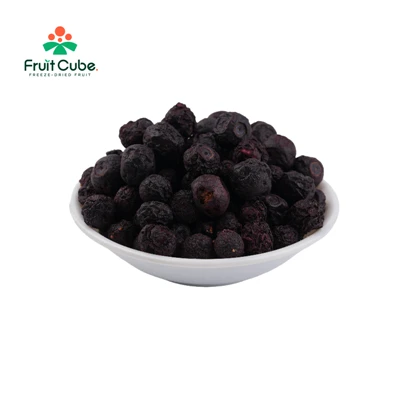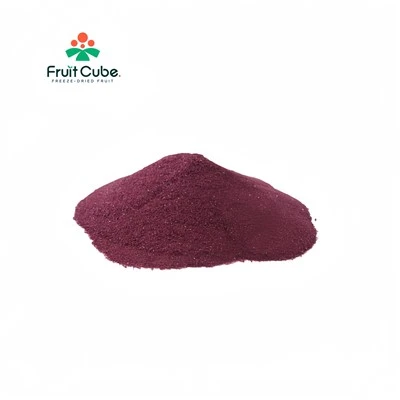
Freeze-dried vegetables, as an important category of modern food processing, owe their core advantage to a unique freeze-drying process. This technology freezes the internal water of vegetables at low temperatures, then allows the ice crystals to sublimate directly into water vapor and escape in a high-vacuum environment. This achieves efficient dehydration and long-term preservation with minimal damage to cell structure and heat-sensitive components. Understanding its principles helps to better grasp the scientific value and application potential of this technology.
The process begins with pretreatment and quick-freezing. Fresh vegetables, after pretreatment such as washing, cutting, and blanching to inactivate enzymes, are rapidly placed in a low-temperature environment (usually between -30°C and -50°C) for quick-freezing. This step aims to form small, uniform ice crystals, preventing large ice crystals from piercing cell walls and reducing tissue collapse and nutrient loss after rehydration. Subsequently, the process enters the vacuum sublimation drying stage, where the system reduces the pressure below the triple point of water, allowing the ice crystals to directly transform into a gaseous state without passing through a liquid state. Because the entire process is conducted at a low temperature, heat-sensitive substances such as proteins, vitamins, and pigments in the vegetables are well preserved, avoiding the high-temperature damage caused by conventional hot air or drying.
After sublimation, to remove bound water and residual moisture, further dehydration is performed, i.e., dehydration under slightly elevated temperature and reduced pressure, reducing the final moisture content to 1%-5%. This significantly inhibits microbial growth and enzymatic reactions, extending shelf life. The porous structure formed by freeze-drying not only facilitates rapid rehydration but also slows down the erosion of components by oxygen and light during storage, maintaining color and flavor close to fresh products.
This principle determines the outstanding advantages of freeze-dried vegetables in terms of nutrient retention, morphological stability, and portability, giving them wide application potential in emergency reserves, space food, high-end catering, and everyday healthy eating, reflecting the technological advancements in preservation and quality control in the modern food industry.