With the widespread application of freeze-dried vegetables in the consumer market and catering industry, the scientific and rigorous selection process is becoming increasingly important. High-quality freeze-dried vegetables not only affect the flavor experience but also directly impact nutrient retention and safety. Consumers and purchasers can comprehensively judge from the following dimensions:
First, pay attention to raw material and processing information. High-quality freeze-dried vegetables should use fresh, moderately mature vegetables as raw materials, avoiding rotten or excessively aged batches. Legitimate products will clearly indicate the processing method as "freeze-drying" or "freeze-dried" on the packaging, explaining the use of a low-temperature vacuum dehydration process. This process can maximize the preservation of color, shape, and nutrients while minimizing the loss of heat-sensitive substances. If only "drying" or "hot air drying" is indicated, it is not a true freeze-dried product.
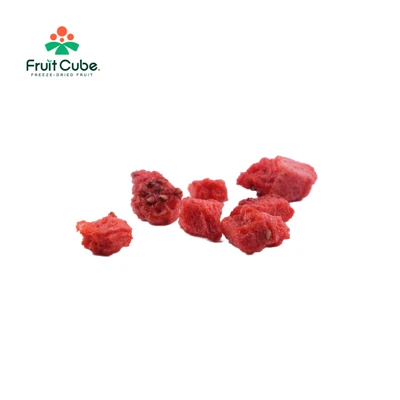
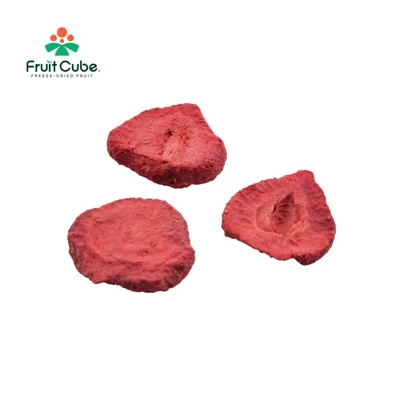
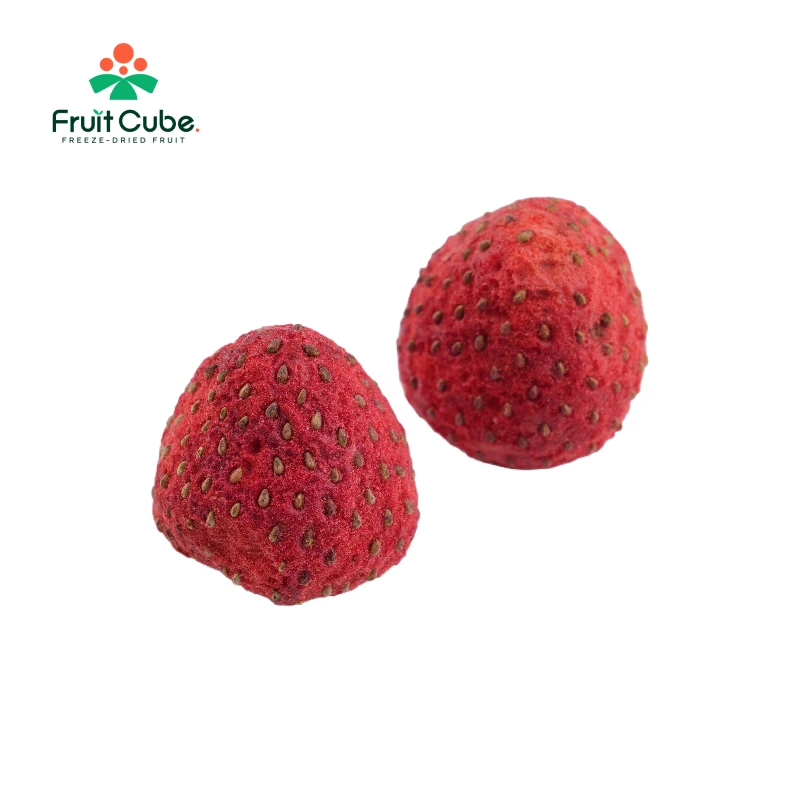
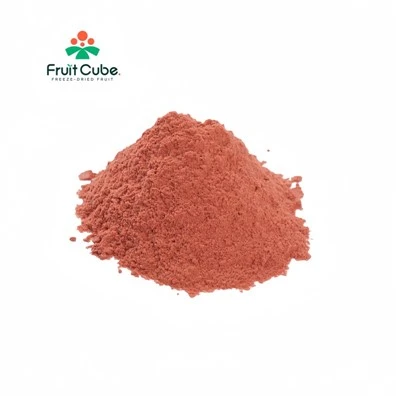
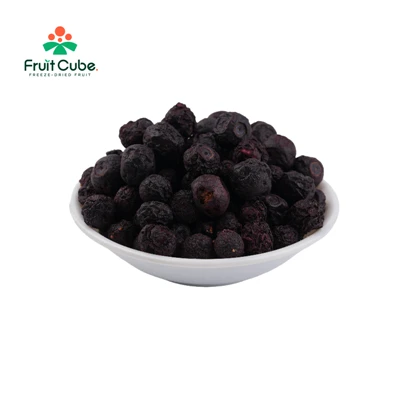
Second, examine the appearance and rehydration performance. High-quality freeze-dried vegetables have intact shapes, colors close to the natural color of the raw materials, without large areas of browning or black spots; the texture is loose and porous, easily crumbled when lightly pressed but not powdery. Take a small sample and rehydrate it with warm water to observe its recovery speed and integrity. High-quality freeze-dried vegetables should recover to near-original state within minutes, with a soft and chewy texture and original aroma. If they remain stiff or mushy and lose their shape after prolonged soaking, the quality is poor.
Next, check the ingredients and certification labels. Prioritize products without added sugar, salt, preservatives, or artificial colors. The ingredient list should be concise and clear. Check for SC production licenses, ISO or HACCP quality management system certifications. Imported products should have standardized Chinese labels and relevant inspection and quarantine certificates to ensure traceability and process control.
Finally, consider the intended use and cost-effectiveness. Different vegetables have significantly different densities and swelling rates after freeze-drying. When purchasing, choose the shape and size according to cooking or ready-to-eat needs. Compare the price per unit weight and rehydration rate to avoid purchasing inferior or adulterated products due to low prices.
Scientifically selecting freeze-dried vegetables not only ensures the nutrition and safety of the food but also contributes to the healthy development of the industry.