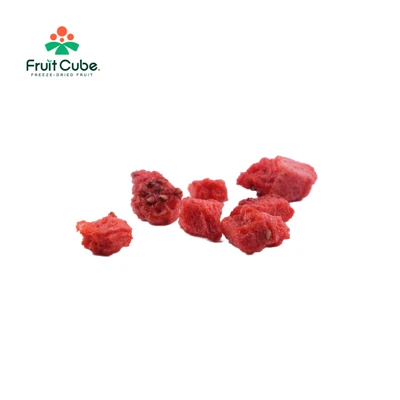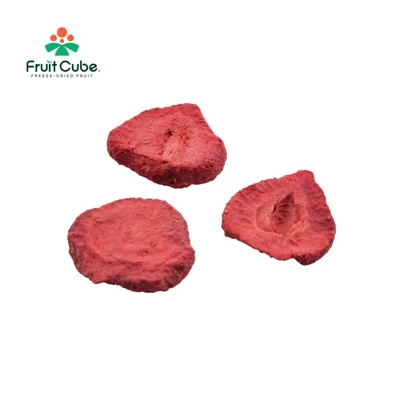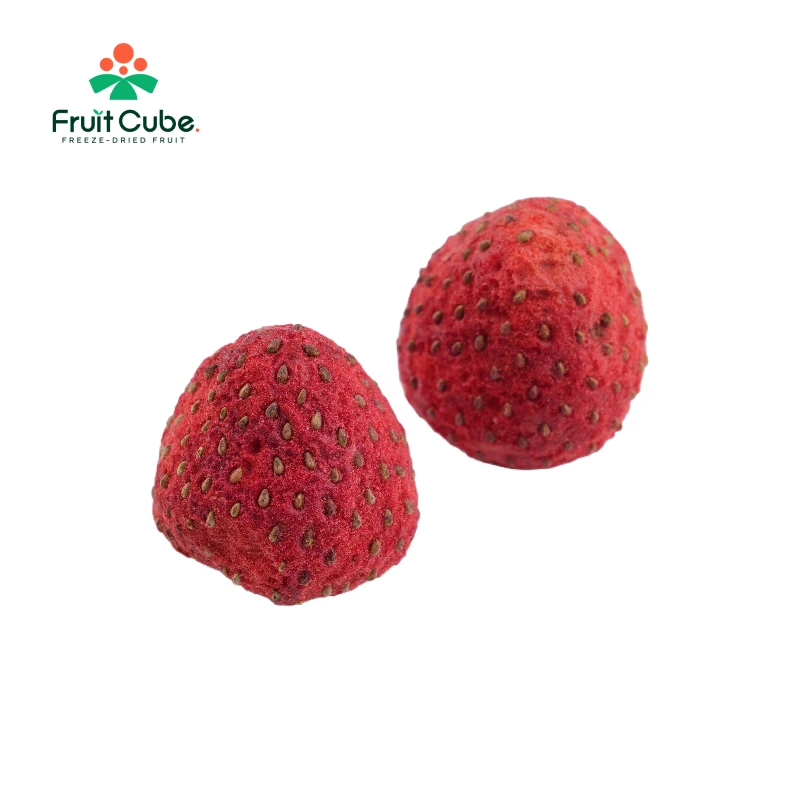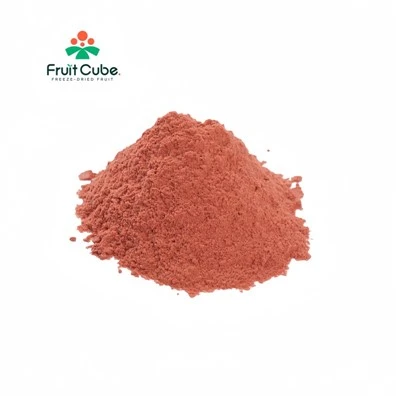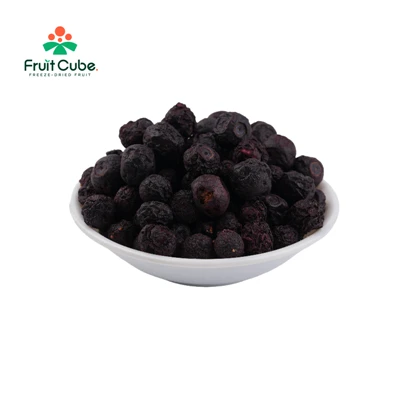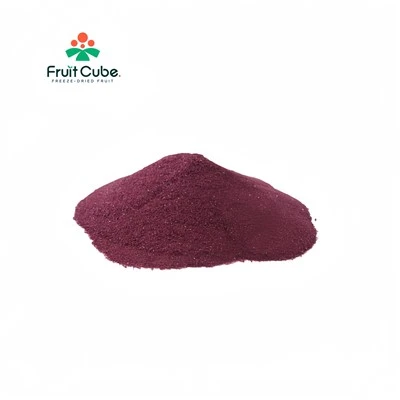
In the modern food system, fruits can be transformed into long-term preserved products through various processes. Freeze-dried fruit, due to its unique processing principles and quality characteristics, differs significantly from traditional processing methods such as hot air drying, low-temperature drying, and candied fruit. These differences determine its application scope and market positioning.
The fundamental difference in processing principles is the primary differentiating point. Freeze-dried fruit uses a dehydration method of rapid freezing at low temperatures followed by vacuum sublimation. Water directly changes from a solid to a gaseous state and escapes from the material. The temperature is controlled near the freezing point throughout the process, avoiding damage to cell structure from high temperatures. Hot air drying and low-temperature drying rely on heat energy to promote water evaporation, accompanied by prolonged exposure to higher temperatures, which can easily lead to cell collapse, dull color, and loss of heat-sensitive nutrients. Candied fruit uses high-concentration sugar solution for dehydration and extends shelf life through the preservative effect of sugar. Essentially, it trades high sugar content for preservation, which is drastically different from the low-moisture, additive-free path of freeze-drying.
The degree of nutrient retention also differs significantly. Freeze-drying, due to its low temperature and vacuum environment, maximizes the retention of vitamins, minerals, and natural phytochemicals in fresh fruit, with a significantly lower loss rate of most heat-sensitive components compared to heat-dried products. Candied fruits, due to the addition of sugar, not only dilute the original nutritional concentration but also introduce extra calories, clashing with the consumer trend towards low-sugar and healthy options.
In terms of sensory quality, the porous structure of freeze-dried fruit results in a crisp and light texture. Rehydration restores the texture and flavor of fresh fruit more effectively, and the color remains relatively stable. Heat-dried fruits often have a tough or shrunken texture, and their flavor may develop a burnt or off-flavor due to the Maillard reaction. Candied fruits, on the other hand, tend to have a chewier or softer texture, with sweetness masking the fruit's aroma, and their natural color often obscured by caramel coloring.
Their physical properties and applicable scenarios also differ. Freeze-dried fruits have extremely low water content and contain no preservatives, resulting in a long shelf life and lightweight properties, making them convenient for long-distance transportation and outdoor carrying. While heat-dried fruits are more resistant to storage, they are larger and heavier, and their flavor and nutritional value are inferior to freeze-dried fruits. Candied fruits, due to their high sugar content, require strict temperature and humidity control, and their shelf life is more significantly affected by environmental factors.
In summary, freeze-dried fruits clearly distinguish themselves from traditional processed fruit products in terms of processing, nutrition, sensory appeal, and applications. This fundamental difference gives them a unique advantage in the development of high-quality, healthy, and diversified foods.