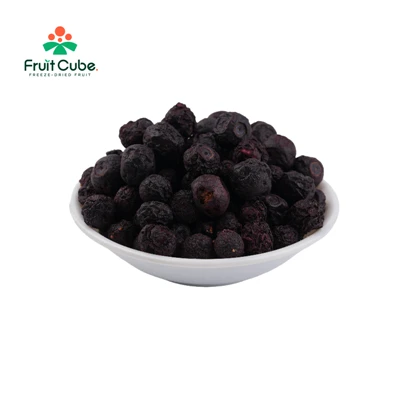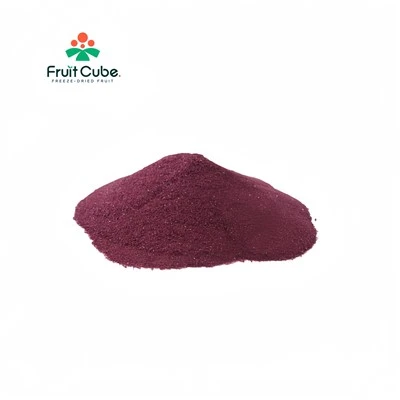
Freeze-dried fruit, relying on advanced low-temperature vacuum sublimation technology, has formed a distinct competitive advantage in the food industry. It satisfies consumers' dual demands for health and convenience while creating considerable value for all links in the industrial chain.
Its core advantage is primarily reflected in the high degree of nutrient preservation. Compared to traditional hot air drying or high-temperature processing, the freeze-drying process is carried out at low temperatures, avoiding the decomposition and loss of heat-sensitive nutrients such as vitamin C, carotenoids, and various antioxidants. Studies show that most freeze-dried fruits retain more than 80% of the key nutrients of fresh fruit, making them nutritionally closer to the original raw material, aligning with the current market's pursuit of "high nutrient density" foods.
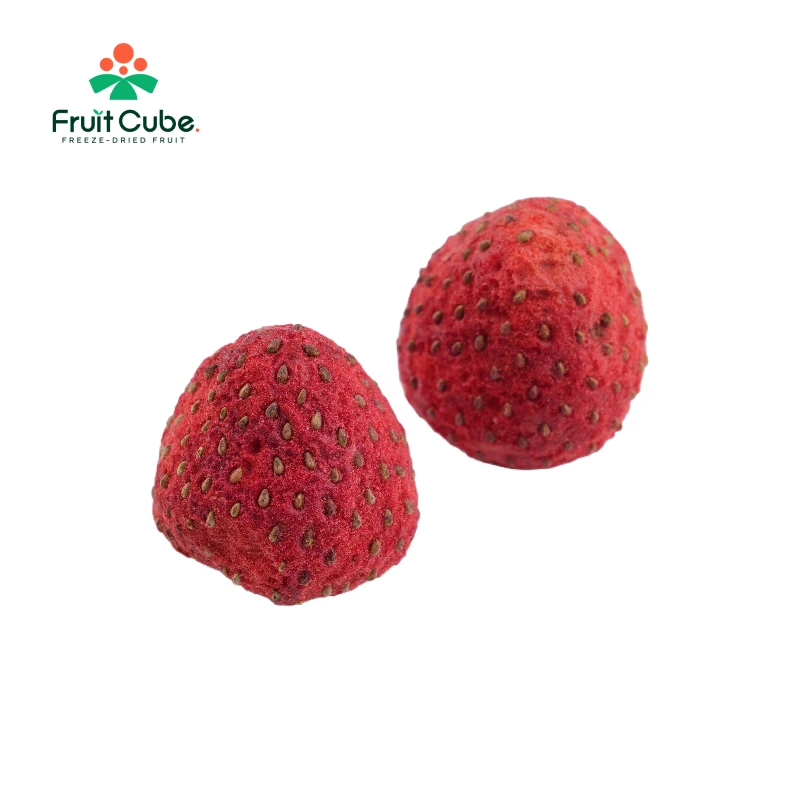
In terms of sensory quality, freeze-dried fruit exhibits stable color, aroma, and flavor. Due to the isolation of oxygen and low temperature during processing, natural pigments and aromatic components are well preserved, and after rehydration, they can better reproduce the taste layers of fresh fruit. Its unique porous structure provides a crisp and light texture, without a hard outer shell when chewed, enhancing the comfort of the ready-to-eat experience.
The physical and storage advantages are equally prominent. Freeze-dried fruits have extremely low water content, typically below 5%, effectively inhibiting microbial growth and thus achieving a shelf life of up to one year or even longer without the need for preservatives. The significant weight reduction effect from dehydration lowers costs in transportation and storage, and significantly improves portability, making them suitable for outdoor, emergency, and cross-border distribution scenarios.
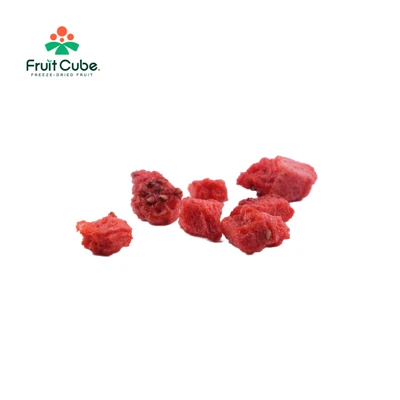
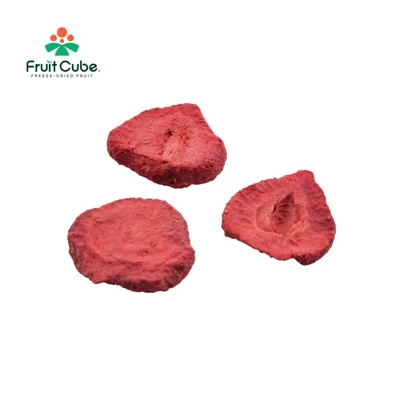
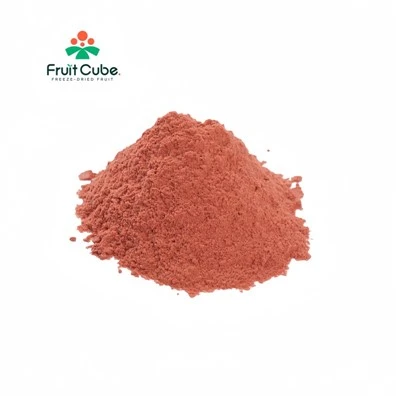
Application flexibility further amplifies its advantages. Freeze-dried fruits can be processed into various forms such as slices, granules, and powder, easily combined with baking, snacks, meal replacements, infant formula, and functional foods. Rehydration is well-controlled, accommodating the processing and flavor requirements of different products. In summary, these advantages not only enhance the market competitiveness of freeze-dried fruits but also make them an important force in promoting the efficient utilization of fruit resources and upgrading the food industry.